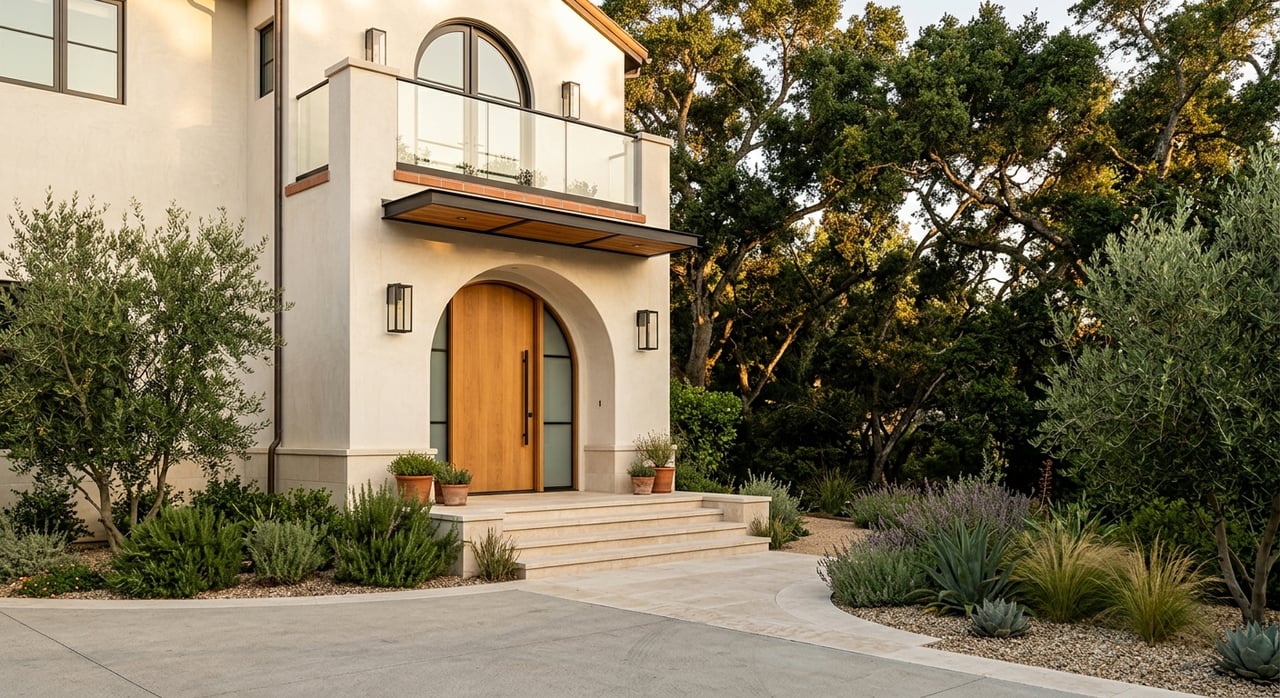
If you are selling one home and buying another in the same season, pricing is no longer just about getting the highest number on paper. In Santa Rosa, move-up sellers need a strategy that protects equity, keeps timing manageable, and helps position the next purchase without unnecessary risk. The good news is that the local data point to a clear path, and with the right plan, you can make smart decisions on both sides of the move. Let’s dive in.
Santa Rosa pricing needs precision
Santa Rosa is not acting like an extreme seller’s market right now. Redfin reported that in March 2026, homes sold in about 39 days on average, received 2 offers on average, and closed at 99.5% of list price. At the same time, 21.1% of homes had price drops.
That combination matters. Buyers are still active, but they are not rewarding overpricing. If your goal is to move up smoothly, your list price should work as a transaction tool, not as a test of the highest possible number.
Why overpricing can cost you more
For move-up sellers, an overpriced listing can create a double problem. You may lose momentum on your current sale, and you may also weaken your ability to compete for the replacement home you want. The longer your home sits, the harder it can be to plan the next step with confidence.
In a market where the average sale is already close to list price, chasing a higher number often does not create an upside big enough to justify the delay. A price reduction later can also change how buyers view the property, even if the home itself is strong.
Why accurate pricing can still create leverage
This does not mean every home should be priced aggressively low. Redfin also found that hot homes in Santa Rosa could sell about 2% above list and go pending in around 24 days. That tells you well-prepared homes can still outperform the average.
The difference is usually not luck. It is the combination of condition, presentation, and a list price that is tight enough to attract immediate buyer attention.
Price for the first week
The most important window for a move-up seller is the first week your home is on the market. That is when fresh inventory gets the most attention, and that is when buyers tend to reveal whether your price is aligned with reality.
A disciplined first-price strategy usually serves you better than starting high and hoping to negotiate down. In Santa Rosa, the local numbers support pricing to capture serious early response rather than waiting for the market to validate an aspirational list price.
What a first-week response plan should include
Your pricing strategy should be tied to a clear plan before the home launches. That plan can include:
- A realistic target range based on current buyer behavior
- A review of showing activity in the first several days
- A review of offer quality, not just offer count
- A decision point if early response is weaker than expected
- A net-sheet analysis tied to your replacement-home budget
This approach helps you act with discipline instead of emotion. For move-up sellers, that discipline can protect both time and equity.
Your sale price affects your next purchase
Pricing your Santa Rosa home is only half the equation. The other half is what your sale means for the home you plan to buy next.
Freddie Mac reported the average 30-year fixed mortgage rate was 6.37% on May 7, 2026. In that rate environment, even a modest change in purchase price can have a meaningful effect on your monthly payment and long-term affordability.
Why net proceeds matter more than bragging rights
It is easy to focus on what a nearby home sold for. But if you are moving up, the more useful question is how much usable equity you will carry into the next purchase.
That is why a pricing conversation should be anchored to a net sheet. Your list price should support your actual move, not just a headline number that looks good in conversation.
Think in terms of budget, not just value
A disciplined strategy connects these moving parts:
- Expected sale price
- Estimated seller costs
- Available equity for the next down payment
- Monthly payment comfort at current mortgage rates
- Cash reserves for moving, repairs, and overlap costs
When you look at pricing this way, you are no longer just asking, “What is my home worth?” You are asking, “What price best supports the next chapter?”
Santa Rosa and Napa may not move the same way
If your next purchase is in Napa, it helps to know that the replacement market may not behave like Santa Rosa. Redfin’s March 2026 Napa data showed 62 days on market, a 97.5% sale-to-list ratio, and 22.6% of homes with price drops.
In simple terms, that suggests the Napa buy side may offer more room for negotiation than the Santa Rosa sell side. That difference can be useful if you plan your pricing and timing carefully.
What this means for move-up sellers
You may not need to squeeze every last dollar from your Santa Rosa list price if a well-executed sale gives you stronger position and flexibility on the purchase side. In some cases, certainty and timing can be more valuable than pushing for a marginal gain on the sale.
This is where a market-by-market strategy matters. Selling and buying are connected, but they may require two different negotiation approaches.
Timing tools can reduce pressure
Many move-up sellers ask the same question: can I buy before I sell? Sometimes yes, but only if the structure is realistic.
The key is to understand the contract and financing tools available to manage timing. These tools can help reduce stress, but they need to be used with a clear plan.
Contract options that can help
The research points to several common tools that can help coordinate a sale and purchase:
- Home sale contingencies
- Home close contingencies
- Continue-to-show language
- Kick-out clauses
- Rent-back clauses
Each tool affects leverage and timing a little differently. The right fit depends on your budget, your replacement-home options, and how much overlap risk you can comfortably carry.
Bridge financing needs real stress-testing
Bridge financing can help some buyers purchase before selling, but it should be evaluated carefully. Fannie Mae notes that a bridge or swing loan is acceptable only under specific underwriting conditions, including documentation that the borrower can carry the current home, the new home, the bridge loan, and other obligations.
That means a buy-before-sell plan should be tested against actual monthly carrying costs. It should not rely on best-case assumptions.
Closing still takes time after acceptance
Even after your offer is accepted on the replacement home, timing is not instant. The CFPB notes that lenders must send the Closing Disclosure at least three business days before closing.
That review period is one reason move-up planning should leave room for the final steps. An accepted offer is important, but it is not the same as having keys in hand or sale proceeds fully available.
Protect equity with early prep
Strong pricing is important, but it works best when paired with clean preparation. For Santa Rosa sellers, that includes getting disclosures and property details organized before launch.
Early prep can reduce the chance of renegotiation after an offer arrives. It can also help buyers feel more confident about the home from the start.
Start disclosures before you list
California sellers should prepare disclosure packages early. The California Department of Real Estate states that the Real Estate Transfer Disclosure Statement is a disclosure of condition, not a warranty, and not a substitute for inspections.
The DRE and California Geological Survey also note that Natural Hazard Disclosures are required for mapped hazard areas, including seismic hazard zones and other mapped hazards. DRE materials also reference wildland fire zones, which can be especially relevant in this region.
Why early disclosures support pricing
When condition or hazard issues surface late, buyers often respond with price renegotiation or added hesitation. When you surface those issues early, you give the market a clearer picture of the home and reduce surprises during escrow.
For a move-up seller, fewer surprises can mean a smoother timeline and better protection for your next purchase plans.
Proposition 19 may change the math
For some homeowners, Proposition 19 can be a major part of the move-up strategy. According to the California Board of Equalization, qualifying homeowners who are age 55 or older, severely disabled, or certain disaster victims may transfer the base year value of a principal residence to a replacement home anywhere in California.
The BOE also states that the claim must be filed with the county assessor within three years of the replacement purchase or completion. In addition, the original home must be sold within two years of the purchase of the replacement home for the transfer to work.
Why this matters when pricing your sale
If you may qualify, the timing of your sale and purchase becomes even more important. Your pricing strategy should support a realistic timeline, not just a target number.
This is another reason move-up pricing should be tied to the full plan. Tax basis, timing, and cash flow can all influence what a smart list price looks like.
A practical pricing framework for move-up sellers
If you are trying to decide how to price your Santa Rosa home, a simple framework can help keep the decision grounded.
Focus on these five priorities
- Protect first-week momentum by pricing where serious buyers are likely to engage.
- Tie price to net proceeds so you know what the sale means for your next purchase.
- Study the replacement market separately because Santa Rosa and Napa may not move at the same pace.
- Use timing tools carefully if your purchase depends on your sale.
- Prepare disclosures early to reduce the chance of renegotiation.
When you put these together, pricing becomes part of a larger move-up strategy. That is usually the clearest path to protecting equity and reducing friction.
If you are planning a move from Santa Rosa into Napa or another North Bay market, a measured, data-first plan can make the transition far smoother. For a confidential conversation about pricing, timing, and how to position both sides of your move, connect with Karteek Patel.
FAQs
How should move-up sellers price a home in Santa Rosa?
- Move-up sellers in Santa Rosa are usually better served by a disciplined first-price strategy that aims for strong early buyer response rather than testing an aspirational number.
Is Santa Rosa a strong seller’s market for pricing high?
- Santa Rosa appears more balanced than overheated, with homes selling near list price on average but a meaningful share still needing price drops, which suggests buyers are pushing back on overpricing.
Can a Santa Rosa seller buy before selling their current home?
- Yes, in some cases, using tools such as sale contingencies, close contingencies, rent-back agreements, or bridge financing, but the plan should be evaluated carefully against real carrying costs and timing.
How does buying in Napa compare with selling in Santa Rosa?
- The March 2026 data suggest Napa is moving more slowly than Santa Rosa, with longer days on market, a lower sale-to-list ratio, and more price drops, which may create more room for negotiation on the buy side.
Why do early disclosures matter for Santa Rosa home pricing?
- Early disclosures can reduce the risk of late-stage renegotiation by surfacing condition and hazard-related information before offers are accepted.
How can Proposition 19 affect a move-up sale in California?
- For qualifying homeowners, Proposition 19 may allow a transfer of the base year value to a replacement principal residence, but timing rules apply, including deadlines tied to both the sale and the replacement purchase.