Thinking about listing your Napa home this spring and wondering which updates actually pay off? You are not alone. With 60 to 120 days before launch, the right improvements can boost your market position, shorten time on market, and help you protect your net. In this guide, you will learn a clear decision framework, Napa-specific updates with reliable impact, how a concierge-style program might help, and a practical timeline to be spring ready. Let’s dive in.
Start with a clear strategy
Before you pick up a paintbrush or call a contractor, clarify your goals and buyer profile. Are you optimizing for highest possible sale price or for strongest net after costs? Your approach to updates can shift based on that answer. Also consider the likely buyer for your price band in Napa, since local move-up buyers, second-home buyers, and investors may prioritize different features.
Use this simple order of operations to guide decisions:
- Address friction first. Fix safety issues, leaks, roof or pest problems, and anything that could trigger a renegotiation later.
- Improve first impressions. Focus on curb appeal, entry moments, lighting, and clean, neutral paint.
- Refresh kitchens and baths with surface-level updates. Target modest, high-visibility changes that show well in photos and walkthroughs.
- Evaluate larger remodels only when local comps support a clear premium and your timeline allows for permits and quality execution.
This sequence reflects national and regional benchmarks on cost recoup and marketability, paired with Napa buyer preferences for outdoor living, design-forward finishes, and low-maintenance landscaping.
High-ROI updates for Napa listings
Interior and exterior paint
Fresh paint is one of the most efficient ways to elevate presentation. Interior and exterior updates tend to deliver strong perceived value without disrupting your timeline. Neutral, warm palettes that complement wine-country light help interiors feel calm and connected to outdoor views.
Painting does not require permits, but properties in historic districts or design review areas may need color approval. Schedule exterior work around dry, mild weather and book early for a March to May launch. Keep finishes consistent and let the architecture lead the palette.
Lighting and brightness
Modern, well-layered lighting shifts how buyers experience your home both online and in person. Swapping dated fixtures and upgrading to warm LED bulbs is fast and relatively inexpensive. Focus on kitchen, dining, entry, baths, and exterior path and patio lighting to extend the feeling of usable space.
If you plan to add recessed lighting or change wiring, you will likely need a permit and a licensed electrician. For outdoor areas, highlight patios, dining terraces, and landscaping to reinforce wine-country living.
Landscaping and curb appeal
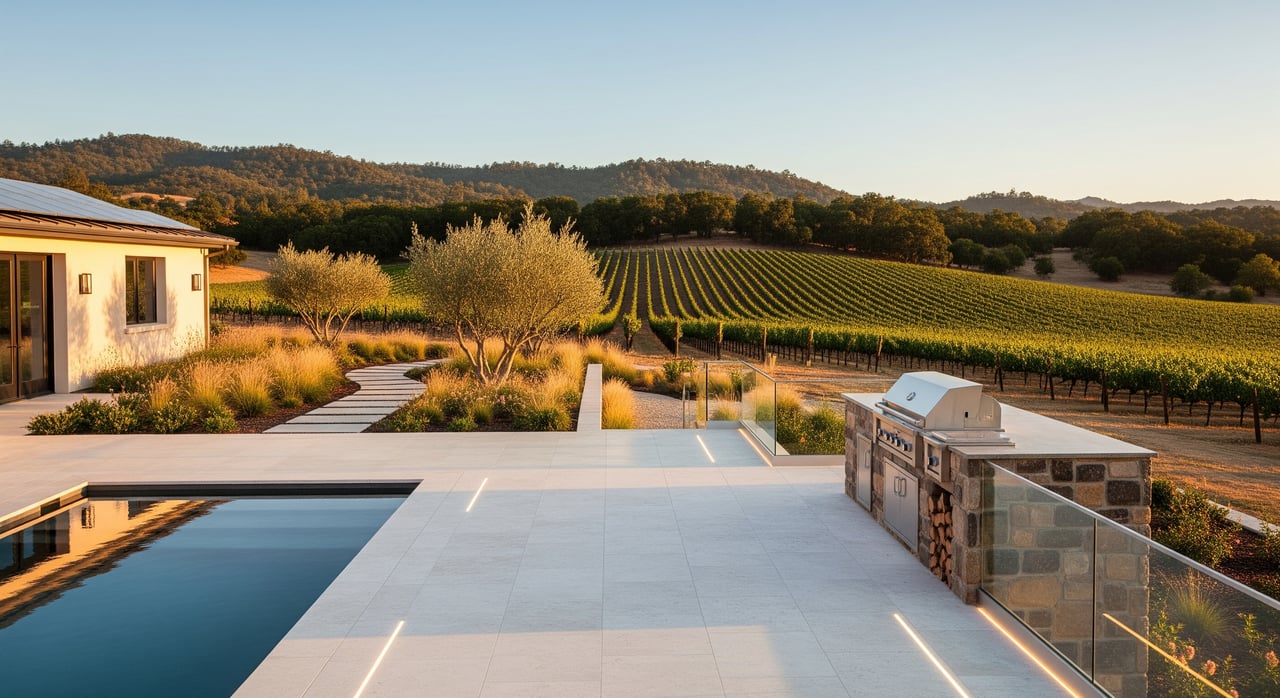
First impressions set the tone. In Napa, buyers value usable outdoor spaces and views, so prioritize clean-up, pruning, mulch, and thoughtful plantings that frame sightlines. A refreshed entry, simple paver touch-ups, and healthy irrigation can raise perceived quality quickly.
Larger hardscape or grading may require permits. Choose drought-tolerant, low-maintenance plants and efficient irrigation. Emphasize wildfire-resilient strategies and defensible space where applicable. Clear, well-maintained landscaping that balances beauty with resilience is both a practical and marketable feature.
Kitchen and bath refreshes
You do not need a full remodel to compete. Targeted updates like cabinet hardware, paint or refinishing, a new backsplash, updated counters where it pencils, and clean, modern lighting tend to photograph well and resonate with buyers. In baths, focus on re-caulking, reglazing where needed, new vanity hardware, lighting, and mirrors.
Cosmetic work usually does not require permits. Plumbing or electrical changes do. In older Napa homes, preserve architectural character where it supports your price band. Aim for clean, consistent surfaces to visually open spaces and improve flow.
Staging, decluttering, and professional photos
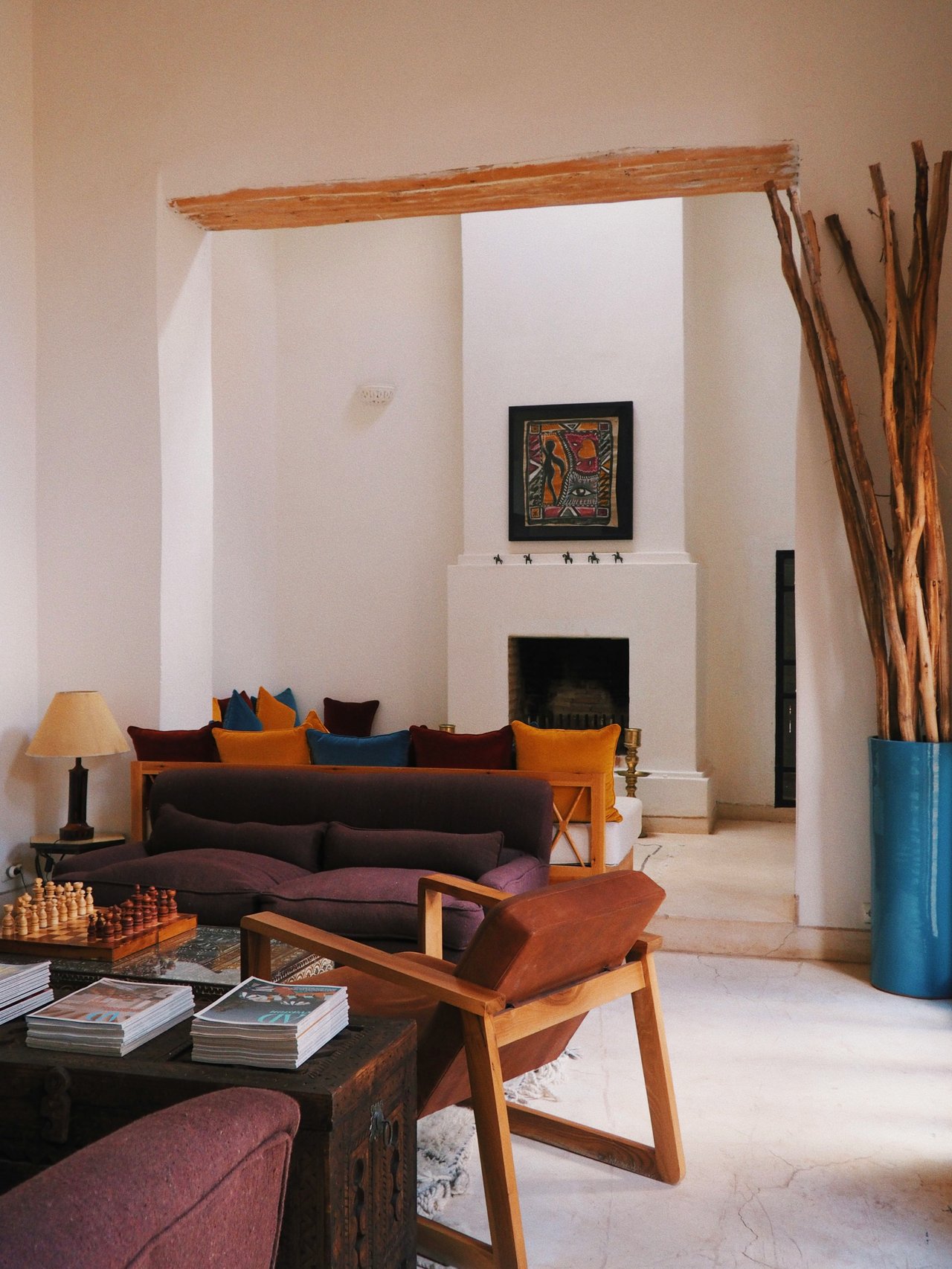
Staging helps buyers understand scale and lifestyle. Even partial staging can define key rooms, improve proportions, and highlight the indoor and outdoor flow Napa buyers seek. Outdoor staging for terraces, lounges, and dining areas helps you sell a lifestyle, not just square footage.
Schedule professional photography after staging and landscaping are complete. Strong images drive traffic and reduce time on market. Plan for fast scheduling windows so you can list at the right moment.
Repairs and deferred maintenance
Repairs that eliminate uncertainty typically deliver high value by removing buyer objections and reducing the risk of price cuts after inspections. Roof integrity, HVAC service, pest treatment, chimney and foundation checks, and any known leaks should be addressed early. Keep receipts, warranties, and permits organized to support buyer confidence.
This documentation also strengthens your disclosure package and can streamline negotiations. Proactive maintenance often saves you from larger concessions later.
Energy, resilience, and convenience features
Energy and resilience improvements can be attractive to Napa buyers. Owned solar, EV charging, and fire-hardening measures may not have easily quantified ROI in every case, but they improve marketability and reduce risk concerns. If you add these upgrades, use licensed professionals and secure permits where required.
Clearly present the scope and benefits in your marketing materials. Buyers who value efficiency and resilience often respond positively to well-documented improvements.
When a concierge program makes sense
Broker-affiliated concierge programs can front the cost of approved pre-list improvements and get repaid at closing. This can help you complete repairs, staging, paint, lighting, or targeted kitchen and bath updates without tying up cash.
Consider this tool when:
- You lack liquidity, but targeted updates are likely to lift your price band or reduce days on market.
- The projected net gain after improvements exceeds the program’s cost and any fees.
- You have a defined scope, vetted contractors, and a clear listing timeline.
It may be less attractive if the work is minimal, you can self-fund easily, or comps do not show a premium for the planned upgrades. Run a simple calculation with your agent: estimate conservative uplift, subtract costs and fees, and compare to alternatives like personal funds or a credit line. Keep the scope tight, timeline realistic, and documentation clear.
A 60 to 120 day plan for spring readiness
Use this sequence to stay on track for March through May.
120 days out
- Interview listing agents, request a comparative market analysis, and identify comps and price tiers.
- Align on your goal: maximize net vs. top-line price. Decide on the buyer profile you want to attract.
- Vet contractors and collect three estimates for any trades. Verify licenses and insurance.
- If using a concierge program, apply early and finalize scope and budget.
- Start permits for any work that requires them. Address major repairs first, including roof, HVAC, termite, foundation, or known leaks.
90 days out
- Schedule interior and exterior paint, larger landscaping work, and kitchen or bath refreshes.
- If pursuing energy or mechanical upgrades, confirm permit timing and installation windows.
- Select a staging partner and hold a photography window that aligns with expected completion.
60 days out
- Complete big projects and knock out punch-list items.
- Begin staging plans, professional cleaning, and exterior touch-ups.
- Consider a pre-inspection to catch last-minute issues before you go live.
30 days out
- Install staging, depersonalize, and declutter.
- Final deep clean, landscape grooming, and exterior lighting checks.
- Capture professional photos and virtual assets only after staging and landscaping are complete.
Listing week
- Review marketing, disclosures, and final pricing strategy based on fresh comps.
- Organize receipts, warranties, and permit records to share with buyers.
- Confirm showing strategy and timeline for launch.
Seasonal tip for Napa: late winter and early spring can be ideal for exterior work, but rain and wind still occur. Build buffer days into paint and landscape schedules, and time photography for clear, bright conditions.
Budgeting and ROI reality check
Align spend with the value signals in your price band. Small, well-executed changes often outperform large remodels on a short timeline. Focus on the visible and the essential: repairs, paint, lighting, landscaping, and staging.
Use comps to verify whether an upgrade will move you into a higher tier or simply improve salability within your current band. Keep your return threshold conservative. Your agent should quantify the likely impact of each improvement and help you avoid over-investing.
Common pitfalls to avoid in Napa
- Over-remodeling without comp support. Major projects rarely pay back in a 60 to 120 day window unless data shows a clear premium.
- Skipping permits where required. Unpermitted work can delay closing and undermine buyer trust.
- Ignoring wildfire defensible space. Landscaping that balances beauty and resilience is important in Napa.
- Photographing too early. Always shoot after staging and exterior refresh for maximum impact.
- Weak documentation. Keep organized records of repairs and upgrades to support value and reduce deal friction.
Ready to move forward?
If you want a disciplined, design-forward plan that targets the right updates and leverages concierge resources where it makes sense, let’s talk. We will align on goals, validate with comps, sequence the work, and present your home to the market with care and precision. Start with a confidential consultation with Karteek Patel.
FAQs
What pre-list updates deliver the best value in Napa?
- Prioritize repairs and maintenance, then focus on curb appeal, paint, lighting, targeted kitchen and bath refreshes, and quality staging to improve marketability within 60 to 120 days.
How much should I spend before listing my Napa home?
- There is no universal number. Allocate budget to repairs first, then high-visibility updates like paint, landscape, lighting, and staging, and validate bigger spends with a comp-based pricing analysis.
Do I need permits for kitchen, bath, or landscaping work in Napa?
- Cosmetic changes typically do not require permits, but plumbing, electrical, structural, grading, and some hardscape projects often do. Confirm requirements with local building and planning departments before starting.
When is a concierge program a good idea for sellers?
- It helps when you need upfront funds for targeted improvements that comps indicate will lift your price band or reduce time on market, and when expected net gain exceeds program costs.
What is the ideal 60 to 120 day timeline to list in spring?
- Start with repairs, permits, and contractor booking at 120 days, schedule paint and refreshes by 90 days, finish projects and pre-inspection by 60 days, stage and photograph at 30 days, and finalize marketing in the listing week.
How do I show buyers the value of my updates?
- Provide a concise improvements list with receipts, warranties, and permit records, and highlight energy or resilience features to support confidence and reduce buyer objections.