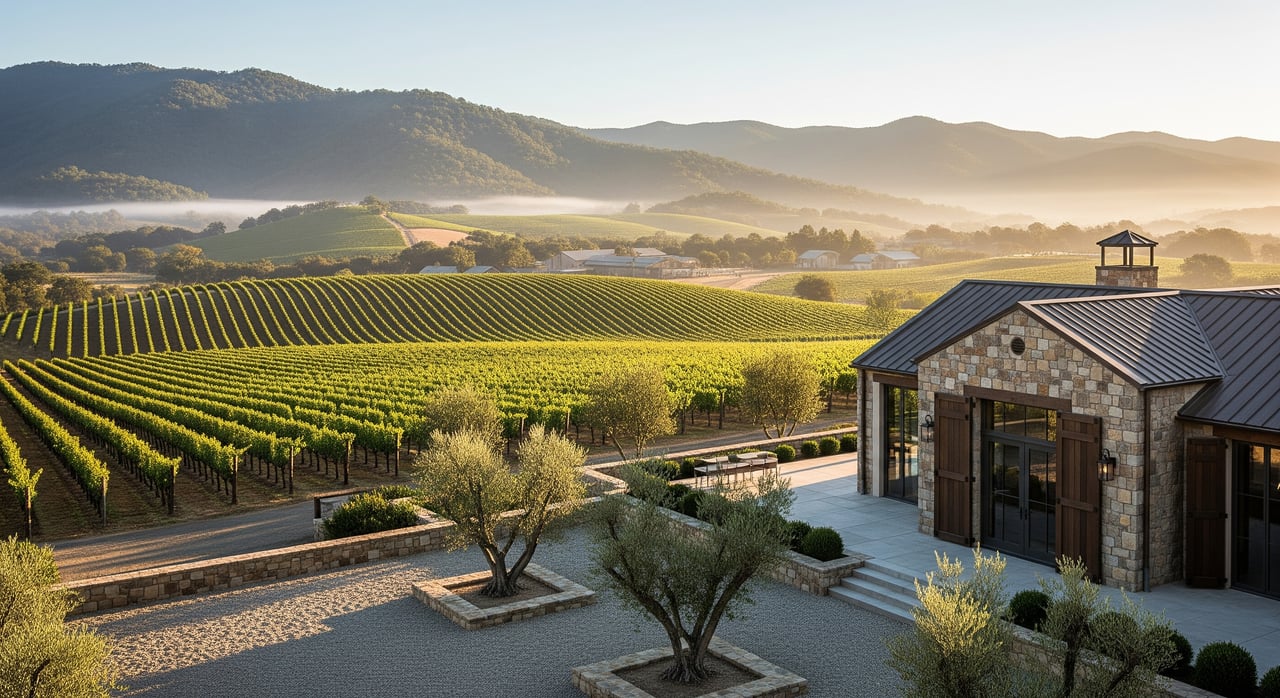
What makes a Napa home worth what it is? If you are watching prices and wondering why they move the way they do, you are not alone. Napa County is a unique market with a mix of lifestyle demand, limited land, and specific rules that influence value. In this guide, you will learn the core forces that shape pricing, how they show up in real listings, and what you can do to buy or sell with confidence. Let’s dive in.
The Napa price backdrop
Napa County is a small, high-value market shaped by wine, tourism, and proximity to the Bay Area. That mix draws several buyer types: local workers, remote professionals, Bay Area relocators, second-home buyers, and investors. Each group brings different budgets and timing.
Supply is tight. Agricultural zoning and open-space protections limit new housing. Many properties are on large lots or rural parcels that are not easy to split or redevelop. This structure supports long-run price strength and creates clear premiums for the most desirable features.
Submarkets matter. The city of Napa, American Canyon, Yountville, St. Helena, Calistoga, and rural vineyard parcels all trade differently. Price per square foot, days on market, and buyer motives vary by area. Thin luxury segments can swing medians with just a few sales, so reading trends by price band is key.
Inventory and supply constraints
When there are more buyers than homes, prices rise and move faster. In Napa, supply stays low for several reasons:
- Agricultural and hillside protections reduce buildable land.
- Many parcels are not easily subdivided, which limits entry-level and mid-market supply.
- Vineyard and estate properties are a small subset with fewer listings at any time.
What to watch as a buyer or seller:
- Months of inventory across price bands.
- New listings vs historical norms, especially in spring.
- Active listings by city and property type.
If you are selling in a low-inventory pocket, pricing discipline and high-quality presentation can capture a premium. If you are buying, target longer-days-on-market listings or homes with fixable gaps in presentation to find leverage.
Mortgage rates and financing power
Interest rates directly affect what buyers can afford. In higher-priced Napa segments, small rate shifts can change monthly payments by a large dollar amount. That change can move buyers between price tiers or push them toward homes that need work.
Napa sees a higher share of jumbo loans and cash purchases than many inland markets. This mix can keep prices firm when rates rise, since cash buyers are less sensitive to financing costs. Still, rate cycles influence activity and can open short windows where buyers face less competition.
Action steps:
- If you plan to buy, get rate quotes for jumbo financing and understand how a 0.5 to 1% change shifts your target price range.
- If you plan to sell, expect rate-driven surges and slowdowns. Align pricing and timing to periods with stronger preapproval activity.
Seasonality and tourism cycles
Spring and early summer bring more listings and more touring. High-tourism periods also bring out-of-area buyers who first come as visitors and return to shop. Fall harvest can be meaningful for vineyard and estate buyers who want to see production and the setting at its peak.
Practical takeaways:
- For buyers, late winter can offer less competition, while spring provides more selection. Decide which trade-off fits your goals.
- For sellers, launch when buyer traffic and natural light are strongest for your property. Thoughtful staging and photography matter most in these windows.
Property features that command premiums
Certain features in Napa have outsized price impact. The magnitude varies by location and quality, but the direction is clear.
- Vineyard adjacency or vineyard acreage. Buyers value production, aesthetics, and lifestyle. Acreage, vine health, variety, water rights, and infrastructure drive value.
- Permitted winery or hospitality uses. Entitlements are hard to secure, so existing permits can carry a meaningful premium.
- Views and privacy. Valley, vineyard, and mountain outlooks lift pricing, especially in luxury tiers.
- Lot size and usable acreage. Usability, access, water reliability, and maintenance costs all matter.
- Design and finishes. Well-executed architecture, landscape, and material quality translate into higher price per square foot.
- Amenities. Pools, guest houses or ADUs, outdoor kitchens, and flexible spaces support stronger offers.
- Infrastructure. Road access, utilities, septic vs sewer, and well performance can make or break value. Buyers pay for certainty.
If you are preparing a home for sale, targeted improvements and crisp presentation can bring these value drivers forward. If you are buying, look for under-marketed properties where these strengths exist but are not clearly showcased.
Local rules and land use
Land use policy shapes what you can build and how you can operate a property.
- Agricultural preserves and zoning protect vineyard and open land. This limits conversion to dense housing and supports scarcity.
- Winery and tasting permits require county approvals and environmental review. The process is complex, so parcels with existing approvals can be worth more.
- Short-term rental rules vary by jurisdiction and may include permits, caps, or restrictions. This affects investor demand and income potential.
- Entitlement timelines add risk and holding costs for buyers planning development or use changes.
If you plan a winery or STR use, verify the current rules at the parcel level before you buy. Build realistic timelines and soft costs into your valuation.
Natural hazards, insurance, and risk
Wildfire and flood risk are real parts of the Napa market. They influence insurance availability, premiums, and lender requirements. Buyers weigh these costs and risks alongside views, privacy, and acreage. Some properties see strong demand despite risk, while others face a smaller buyer pool or longer timelines.
What to assess:
- Wildfire exposure and historical perimeters.
- FEMA flood zones and creekside considerations.
- Availability and cost of property insurance for the home’s location and construction type.
- Water reliability for rural parcels.
Plan ahead. Ask insurers and lenders early, not after you fall in love with a home. As a seller, preempt buyer concerns by sharing recent insurance quotes, defensible space steps, and any mitigation investments.
Local economy and demand sources
Napa’s pricing reflects the health of wine, tourism, and Bay Area connections.
- Wine and tourism support local employment and attract second-home and lifestyle buyers.
- Remote work and executive relocations bring higher purchasing power.
- Seasonal hiring affects rental demand and can shape price sensitivity in certain submarkets.
This mix can keep demand resilient even when national headlines are mixed. Still, submarkets react differently, so reading city-level and price-band data is essential.
Buyer playbook: Compete with clarity
Go in with a plan, not a guess. Here is a focused approach:
- Define your must-haves vs nice-to-haves. Be honest about trade-offs between views, privacy, acreage, and maintenance.
- Get preapproved with a local lender familiar with jumbo loans and Napa-specific insurance requirements.
- Track months of inventory and days on market by price band. Aim where supply is rising.
- Tour early and often in spring. Use off-peak periods to negotiate when competition dips.
- Underwrite risk. For rural parcels, confirm utilities, septic, well performance, and access.
- Move decisively on quality. When a home checks most boxes, clean terms can beat a slightly higher price.
Seller playbook: Create pricing power
Your goal is simple: expand your buyer pool and reduce friction. A disciplined prep and launch can shift the outcome by six figures.
- Price to the market you have, not the one you hope for. Anchor to live comps in your micro-area and price band.
- Elevate presentation. Invest in high-impact updates that return more than they cost. Thoughtful staging, landscaping, and lighting matter.
- Lead with lifestyle and certainty. Showcase views, outdoor rooms, and daily flow, and address questions about systems, insurance, and permits up front.
- Time the launch. Align with peak buyer activity and the property’s best light and season.
- Expand distribution strategically. Consider discreet pre-market testing with qualified buyers.
How we help:
- Pricing strategy and negotiation. We pair data discipline with local nuance to position your home for the best result.
- Compass Concierge improvements. We identify targeted updates and present your home with design-forward polish.
- Compass Private Exclusives. We can share your home discreetly with a high-quality network when privacy is a priority.
What to watch next
Markets turn on a handful of signals. Keep an eye on:
- Interest-rate moves and jumbo lending appetite.
- New listing counts and months of inventory by city and price band.
- Share of cash transactions in your segment.
- Insurance availability and premium trends for high-fire areas.
- Local policy updates on STRs and winery permitting.
Small changes in these inputs can create temporary openings for buyers or sellers. The best outcomes come from watching the data and moving at the right time.
If you want a clear plan tailored to your goals, let’s connect. Whether you are buying a design-forward home in the city of Napa, a view property in the hills, or a vineyard estate, you deserve advice that blends analytics with local judgment. Reach out to Karteek Patel to schedule a confidential consultation.
FAQs
Why are Napa home prices higher than nearby inland areas?
- A mix of limited developable land, wine-country and view premiums, tourism-driven demand, and a higher-income buyer pool supports above-average pricing.
How much value can vineyard acreage or a winery permit add?
- Premiums vary widely; acreage quality, water, vine health, and existing permits can add significant value, but you should price with parcel-specific comps.
Does timing the market matter for Napa buyers and sellers?
- Yes; listing and touring activity concentrate in spring and early summer, while harvest season is important for vineyard and estate buyers.
How do wildfire risk and insurance impact saleability?
- Elevated risk can reduce the buyer pool and raise insurance costs, which affects demand and price; early insurance and lending checks are essential.
Can I convert a property to a short-term rental or winery use?
- It depends on zoning, permits, and environmental review; rules vary by area, so verify parcel-specific requirements before you buy.
Where do buyers find value opportunities in Napa?
- Look in thinner submarkets, longer-days-on-market listings, fixers with solvable issues, and situations where sellers need timing certainty.