If you work somewhere else in the North Bay, Santa Rosa can be one of the few places that lets you balance a regional commute with a full daily life close to home. You may be trying to stay connected to Marin, San Francisco, or another job center without giving up space, convenience, or access to the broader Sonoma County lifestyle. The good news is that Santa Rosa is set up to function as more than just a place to sleep between workdays. This guide will help you understand how commuting, housing, and everyday living fit together here. Let’s dive in.
Why Santa Rosa Works as a Home Base
Santa Rosa is large enough to support day-to-day life without making you depend on another city for basics. The city had an estimated population of 179,437 in July 2025, with 68,321 households, which gives it the scale of a true regional center rather than a small outpost. Census data also reports a mean travel time to work of 22.9 minutes.
That matters if you want your home city to do more than simply sit on a commute map. Sonoma County notes that much of the county population is concentrated in cities along the Highway 101 corridor, and Santa Rosa is the largest of those cities. In practical terms, you can often handle errands, dining, services, and daily routines locally while still commuting elsewhere for work.
Santa Rosa also benefits from being part of the SMART rail network. SMART’s 45-mile system links Windsor, the Sonoma County Airport area, Santa Rosa, Rohnert Park, Cotati, Petaluma, Novato, San Rafael, and Larkspur. For buyers who want a North Bay base with real regional access, that rail spine is a major advantage.
North Bay Commute Options
If you are thinking about living in Santa Rosa while working across the North Bay, Highway 101 is still the backbone of the commute. Driving remains the most direct option for many people, especially if your job site changes or your schedule is not fixed. That said, public transit is a meaningful part of the equation here, not just a backup plan.
In April 2026, the Metropolitan Transportation Commission launched coordinated bus and rail updates along the Highway 101 corridor through the MASCOTS plan. That included better-timed SMART and Golden Gate Transit connections and, on some Sonoma County commute trips, peak-period service every 20 to 30 minutes. For commuters, those scheduling improvements can make transit feel more usable from week to week.
Key Santa Rosa Transit Hubs
Santa Rosa has two especially important transit touchpoints. The Santa Rosa Downtown SMART station sits less than a quarter-mile from the Santa Rosa Transit Mall and connects with Santa Rosa CityBus, Golden Gate Transit, Sonoma County Transit, and Mendocino Transit. That concentration of connections makes downtown one of the city’s most practical areas for commuters.
The Sonoma County Airport station is also important. It connects riders to the airport and nearby employers through SMART Connect and local bus service. If your work involves travel or airport-area employment, this station can be a useful part of your search.
Commuting to San Francisco
For San Francisco commuters, two transit patterns stand out. Golden Gate Transit identifies Route 172 as the Santa Rosa to San Francisco commute bus. Another common pattern is taking SMART south to Larkspur and then using the Golden Gate Ferry to San Francisco, which operates daily except on a few holidays.
The key thing to understand is that this is a regional commute, not a short hop. Santa Rosa can absolutely be workable for Bay Area commuters, but the value tends to come from the lifestyle and housing tradeoff rather than pure proximity. If you are considering the move, it helps to think in terms of commute strategy, not just commute distance.
Where Commuters Tend to Focus
If transit access is a priority, downtown, Railroad Square, and station-adjacent corridors tend to stand out. These areas benefit from direct proximity to the SMART downtown station and the Transit Mall. That can simplify weekday routines, especially if you want more than one way to get where you need to go.
Downtown also functions as more than a transportation node. The city describes it as the retail, dining, entertainment, culture, service, financial, and government hub for Santa Rosa and the broader region. For you, that can translate into a more walkable routine before or after work.
The Downtown Station Area plan also notes that the district includes residential neighborhoods and neighborhood parks. That mix matters because it supports a live-near-transit lifestyle without feeling purely commercial. If your goal is to reduce driving on weekdays, this part of the city deserves a close look.
Everyday Life Between Workdays
Commute practicality is only half the story. Many buyers choose Santa Rosa because they want a city that feels livable and enjoyable when they are off the clock. Visit Santa Rosa describes the city as the urban heart of Sonoma County’s wine country, which helps explain its broad appeal to professionals and relocation buyers.
The city’s outdoors profile includes an extensive trail system, 66 parks, six lakes, and easy access to both the Pacific Ocean and redwood country. That range gives you real options for how you spend weekends and evenings. If you are leaving a denser Bay Area routine, that lifestyle balance can be a meaningful part of the decision.
Santa Rosa also has a distinct historic-core identity. Visit Santa Rosa notes that the West End includes residential architecture from the 1880s through the 1940s, Cherry Street has the city’s highest concentration of 19th-century buildings, and St. Rose includes several surviving 19th-century homes. Railroad Square is described as the historic center of Santa Rosa.
For buyers, that means Santa Rosa is not one-note. Some areas may appeal to you for transit access, others for historic housing character, and others for a more residential feel. A smart home search usually starts with identifying which daily-life pattern matters most to you.
What Homes You Will Find
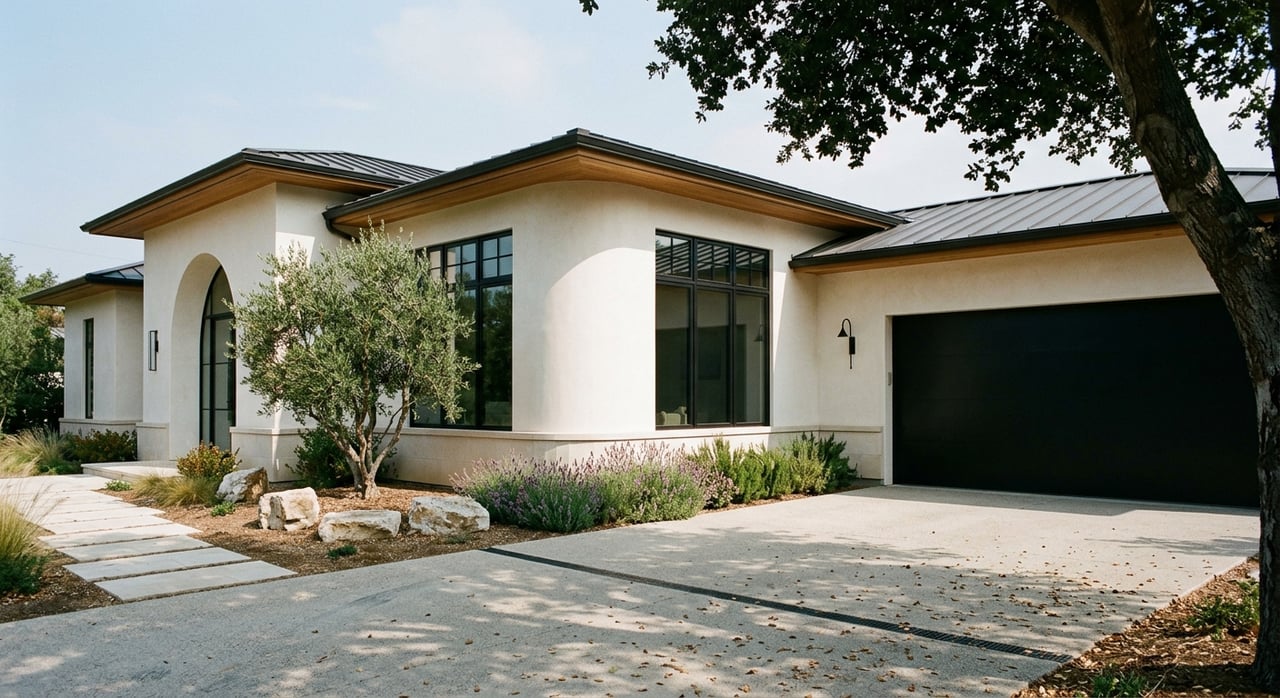
Santa Rosa offers a broad mix of housing types, and that matters if your commute goals also affect your budget, space needs, or preferred setting. In the city’s 2023 to 2031 Housing Element, low-density areas are primarily intended for detached single-family homes. Other density categories allow attached single-family and multifamily development.
The same planning framework identifies Transit Village areas as places for higher-intensity residential and mixed-use development within walking distance of transit facilities. In plain terms, that means you may see older detached homes in historic and lower-density neighborhoods, while condos, townhomes, apartments, and mixed-use buildings are more common near downtown and station areas.
This is useful if you are trying to choose between convenience and space. A home near transit may support an easier weekday routine, while a lower-density neighborhood may offer a different kind of residential setting. The right fit often depends on how often you commute and how much flexibility you want in your home search.
Cost and Ownership Snapshot
Current Census data shows a median owner-occupied home value of $713,900 in Santa Rosa. The median gross rent is $2,152, and the owner-occupied housing rate is 56.7 percent. Those figures suggest a market that still leans toward ownership while also offering meaningful rental options.
That can be helpful if you are relocating in stages. Some buyers prefer to rent first, learn commute patterns, and then purchase with more confidence. Others may want to buy right away if they already know which part of Santa Rosa aligns with their work and lifestyle.
A Few Practical Buyer Considerations
If you want flexibility, Santa Rosa’s rules on second dwelling units are worth noting. The city states that second dwelling units are allowed on residentially zoned properties that permit single-family dwellings, and in multifamily zones as well. Depending on the property, that can create options for rental income, multigenerational living, or a dedicated home office.
Fire planning is another important factor in some areas. Santa Rosa designates a Wildland-Urban Interface Fire Area in parts of the city, especially in hillside or edge-of-city locations. If you are considering those settings, it is wise to understand how location affects your search criteria and property evaluation.
How to Think About the Move
If you are deciding whether Santa Rosa fits your work-life pattern, start with your actual routine rather than your ideal one. Think about how many days you commute, whether you prefer driving or transit, and how important walkability is during the week. Then compare those needs against the parts of Santa Rosa that best support them.
For some buyers, the answer is a home near downtown or along the rail corridor. For others, the appeal is more space, a different housing style, or access to outdoor amenities, even if that means a less transit-oriented setup. Santa Rosa works best when you match the home search to the life you actually plan to live.
If you want a clear, data-driven view of where Santa Rosa fits into your broader North Bay move, working with an advisor who understands both housing patterns and commute tradeoffs can save time. Karteek Patel offers thoughtful, strategic guidance for buyers, sellers, and relocation clients across the North Bay.
FAQs
Is Santa Rosa realistic for commuting to San Francisco?
- Yes. The main public transit options are Golden Gate Transit Route 172 or SMART to Larkspur followed by the Golden Gate Ferry, but it is still a longer regional commute.
Which Santa Rosa areas are most commuter-friendly?
- Downtown, Railroad Square, and station-adjacent corridors often stand out because they offer direct access to SMART and the Santa Rosa Transit Mall.
What kinds of homes can you find in Santa Rosa?
- You can find detached single-family homes in lower-density areas, along with condos, townhomes, apartments, and mixed-use housing in higher-density and transit-oriented areas.
Can you find transit-oriented housing in Santa Rosa?
- Yes. The city’s planning framework supports higher-intensity residential and mixed-use housing in Transit Village areas within walking distance of transit facilities.
Does Santa Rosa work for renters and buyers?
- Yes. Census data shows a market that leans toward ownership, but the city also has a substantial rental base that can work well for relocation households.
What should buyers know about second dwelling units in Santa Rosa?
- Santa Rosa states that second dwelling units are allowed on residentially zoned properties that permit single-family dwellings, and in multifamily zones as well.
Are there fire-area considerations in parts of Santa Rosa?
- Yes. Parts of the city fall within a designated Wildland-Urban Interface Fire Area, especially in some hillside or edge-of-city locations.