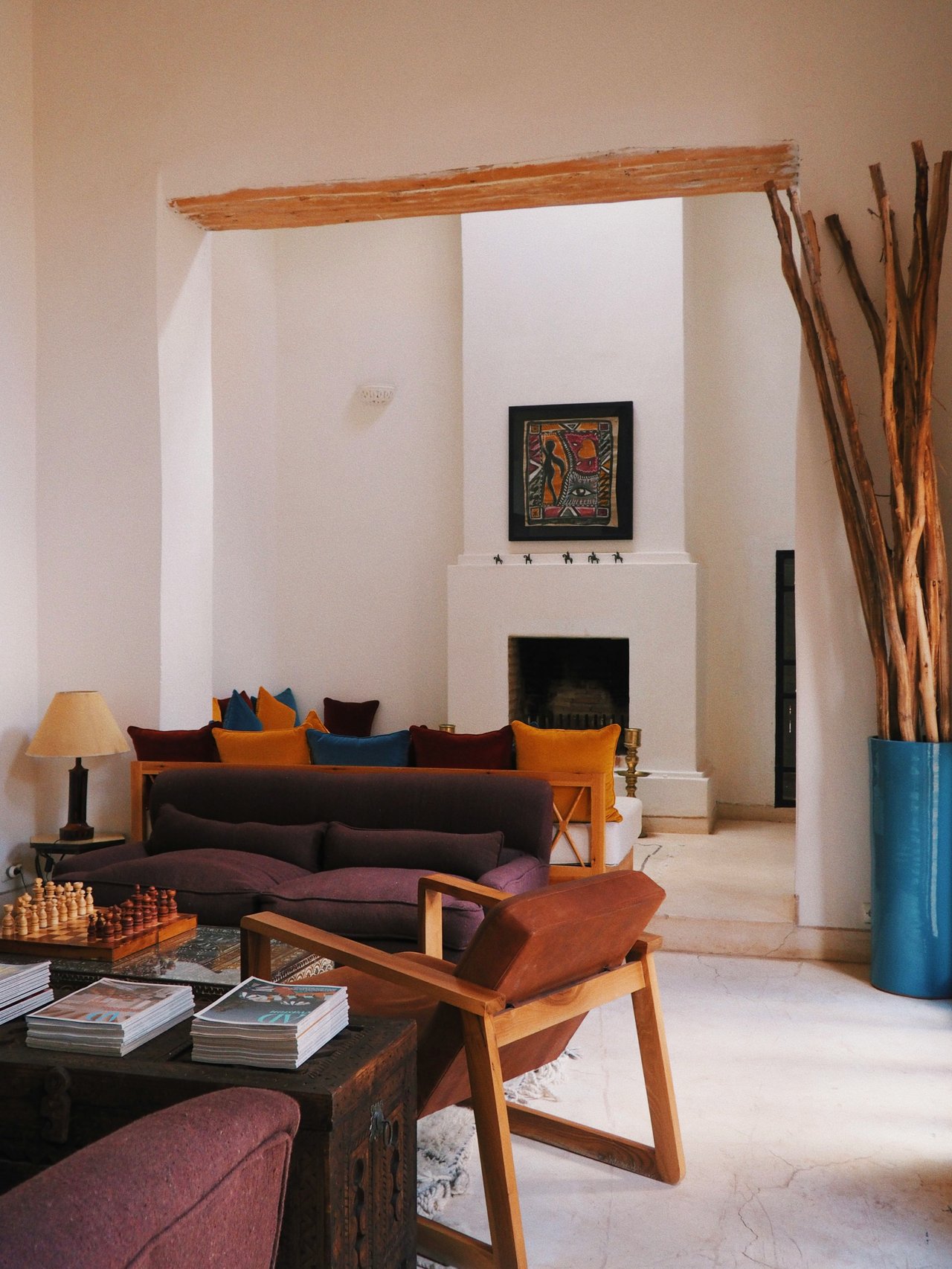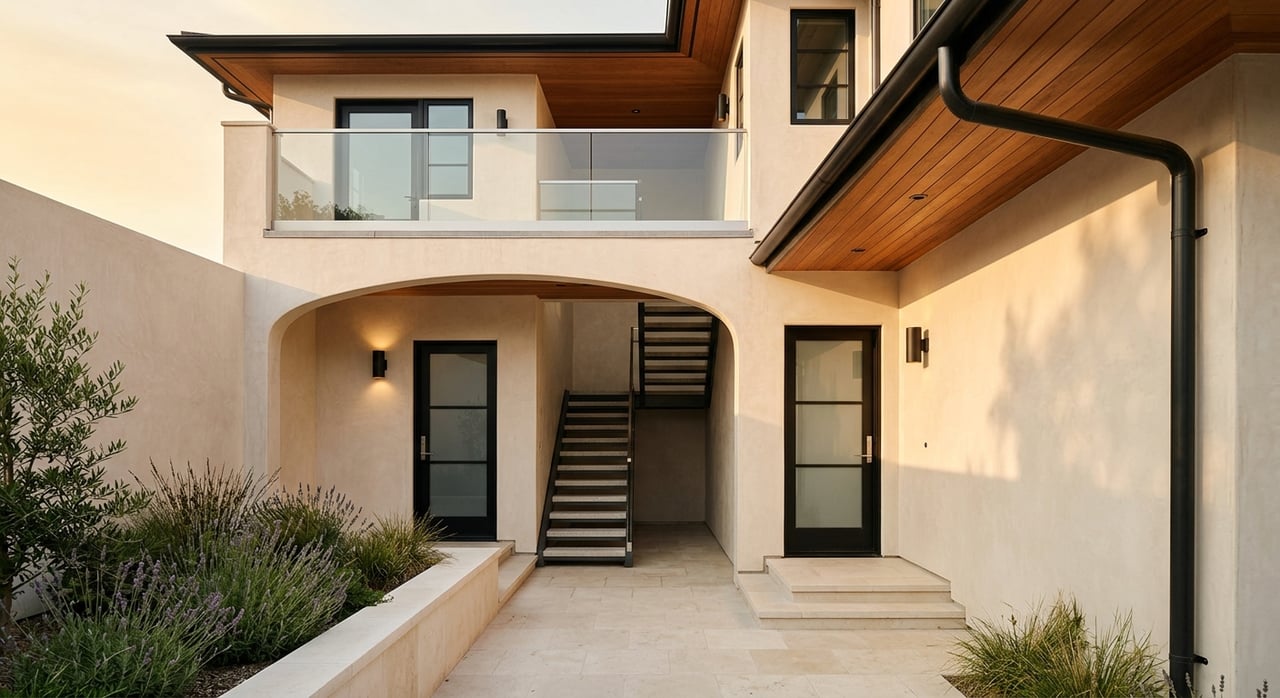
Wondering whether a condo or townhome in Yountville is the right fit for your Napa Valley goals? If you want a low-maintenance home base close to dining, tasting rooms, parks, and everyday conveniences, attached living can make a lot of sense here. The key is knowing that in Yountville, the lifestyle appeal is only part of the story. The ownership structure, HOA finances, and local rental rules can shape your experience just as much as the floor plan. Let’s dive in.
Why attached homes stand out in Yountville
Yountville is known for a highly walkable town center with green space, parks, wineries, tasting rooms, art, and culinary destinations all within a short distance. According to the Town of Yountville’s community overview, that live-near-everything setup makes the town especially appealing if you want ease, convenience, and less day-to-day property upkeep.
For many buyers, that points naturally toward condos and townhomes. Instead of managing a larger lot or extensive exterior maintenance, you may be able to spend more time enjoying the Napa Valley lifestyle and less time coordinating repairs, landscaping, or seasonal upkeep.
Inventory is also limited, which matters if you are planning to buy in this segment. Realtor.com’s February 2026 market snapshot showed a median home price of $1.295 million, 14 homes for sale, and 122 median days on market, while Redfin data cited in the research indicated only a small number of condos and townhomes were available recently. In practical terms, that means you may need to act selectively and evaluate each opportunity carefully.
Condo vs. townhome: know the legal structure
One of the most important things to understand is that the marketing label does not always tell you how the property is legally organized. In California, attached homes often fall under a common interest development structure, which means you own a separate lot, unit, or interest along with a shared interest in common areas, as outlined by the California Department of Real Estate.
A condominium typically means you own an individual unit plus an undivided common interest in shared property. A planned development, by contrast, usually involves separately owned lots or parcels with common areas shared by owners, also described in the DRE reference guide.
That distinction matters because a home described as a townhome may legally be a condo or a planned development. If you are comparing options in Yountville, the real answers are found in the title documents, CC&Rs, and HOA materials, not just in the listing description.
Why the legal setup affects ownership
The legal structure can influence what you maintain, what the HOA maintains, and what restrictions apply. It can also affect financing, insurance considerations, and how future buyers may evaluate the property.
This is why document review is so important before you commit. The DRE’s Residential Subdivision Buyer’s Guide explains that HOA membership is automatic and that the association’s governing documents define voting rights, meetings, use restrictions, and enforcement procedures.
HOA dues are part of the real cost
When you buy a condo or townhome, the purchase price is only one part of the financial picture. Monthly HOA dues are an ongoing cost, and according to the DRE buyer guidance, those regular assessments fund operations and reserves. Associations can also issue special assessments when needed.
That means you should treat dues as a core part of affordability, not a side note. It is also smart to assume dues can change over time, especially as maintenance needs and reserve requirements evolve.
What dues may support
In many communities, dues help cover shared expenses such as:
- Common-area maintenance
- Landscaping
- Roofs and exterior components
- Parking areas or gates
- Exterior lighting
- Recreation or pool areas, if applicable
- Reserve contributions for future repairs
The exact scope varies by community. That is why you want a clear, property-specific understanding of what is included before moving forward.
Reserve health deserves close review
A well-run HOA does more than collect dues. It plans for future repairs and replacements in a disciplined way. The DRE’s reserve planning guidance notes that associations should budget for major common components such as roofs, pavement, landscaping, parking areas, gates, recreation areas, pools, and exterior lighting.
This is one of the biggest differences between attached ownership and a detached home. In a single-family home, you are usually planning and paying for these items directly. In a condo or townhome setting, the association often handles common-area components, while you are usually responsible for interior areas and certain exclusive-use areas like a private deck or yard.
California associations are also required to provide a pro forma operating budget and reserve summary. As explained in the DRE reserve materials, those documents can show estimated revenue and expenses, reserve balances, remaining useful life of major components, and estimated replacement costs.
Red flags to watch for
When reviewing HOA documents, pay close attention to:
- Low reserve balances
- Major repairs coming soon
- Recent or pending special assessments
- Association loans
- Deferred maintenance
- Unclear repair responsibility between owner and HOA
None of these issues automatically kills a deal. But they do affect your risk, your monthly cost outlook, and potentially your resale path later.
Yountville rental rules matter
If you are considering a second home, occasional-use property, or part-time rental strategy, Yountville’s local rules deserve early attention. The Town’s Rental Property Registration Program requires a permit for all residential rental properties, including condos.
The town also states that vacation rentals of fewer than 30 days are not permitted. That can be a major factor if you were hoping to offset ownership costs with short-term rental income.
HOA rules may be stricter
Even after you confirm the town’s baseline rules, you still need to read the HOA documents closely. The municipal rule is only one layer. CC&Rs may impose additional restrictions on rentals, pets, parking, or exterior changes.
For many buyers, this is less about finding a problem and more about avoiding a mismatch. If your goal is a personal-use retreat with simple upkeep, these rules may align well with that objective. If rental flexibility is a priority, you will want to verify every detail before making an offer.
Questions to ask before you buy
A careful review process can help you avoid surprises and compare communities more confidently. The DRE buyer materials support asking direct questions about finances, maintenance, and use restrictions.
Here are smart questions to ask when evaluating a Yountville condo or townhome:
- What exactly do the HOA dues cover?
- When was the reserve study last updated?
- What major repairs or replacements are expected next?
- Are there any current or planned special assessments?
- Does the association have any outstanding loans?
- What are the rules for pets, parking, rentals, and exterior changes?
- Which parts of the property are owner-maintained versus HOA-maintained?
- If the home is new construction or a conversion, is there a DRE public report?
If the property is new or a conversion, the DRE public report process is especially important. The DRE says that report must be delivered before the buyer is obligated, and it includes material disclosures such as CC&Rs, assessments, and common-area information.
How resale fits into the decision
Your purchase decision should work for your lifestyle today, but it also helps to think ahead. DRE guidance suggests that reserve studies and responsible funding help reduce the risk of deferred maintenance, which can hurt property condition and value over time, according to the reserve planning resource.
A strong reserve position does not guarantee an easier resale, but it is generally a healthier signal than an underfunded association with visible maintenance needs. In a market like Yountville, where attached inventory appears limited, buyers often benefit from choosing a property with sound fundamentals rather than focusing only on finishes or staging.
A practical Yountville buying lens
If you are deciding between a condo, a townhome, and a detached home in Yountville, the right answer often comes down to how you want to live. If you value walkability, simplified upkeep, and a lock-and-leave setup, attached living can be a strong fit.
At the same time, the details matter here. In a smaller, supply-constrained market, you want to look beyond the label and review the legal structure, HOA financials, maintenance obligations, and local rental rules with care.
That kind of disciplined review is where good decisions usually happen. If you want a clear, data-driven read on Yountville attached-home options and how they fit your goals, Karteek Patel offers confidential, client-first guidance grounded in local market context.
FAQs
What should you review before buying a condo in Yountville?
- You should review the CC&Rs, title documents, HOA budget, reserve summary, maintenance responsibilities, and any rental, pet, parking, or exterior modification rules.
How is a Yountville townhome different from a condo?
- In California, a townhome may be legally structured as either a condominium or a planned development, so you need to verify the ownership structure in the governing and title documents.
Are short-term rentals allowed for condos and townhomes in Yountville?
- No. The Town of Yountville states that vacation rentals under 30 days are not permitted, and residential rental properties require a permit.
Why do HOA reserves matter when buying an attached home in Yountville?
- Reserve health can help you understand whether the association is planning for major future repairs and whether there may be risk of deferred maintenance or special assessments.
What makes attached homes appealing in Yountville?
- Many buyers are drawn to the town’s walkable setting and lower-maintenance lifestyle, which can be especially attractive for second-home buyers and downsizers.