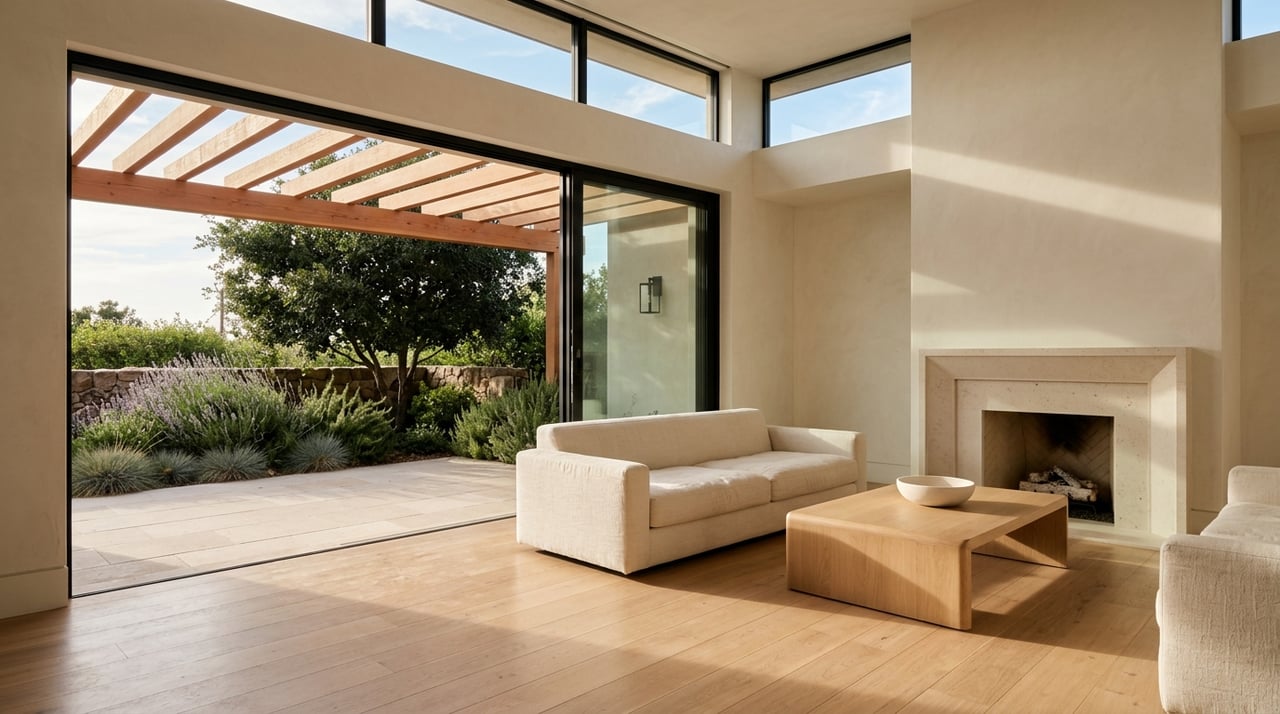
If you want to sell well in Napa, timing your prep matters almost as much as pricing your home. This market is active, but recent 2026 data shows homes are not selling instantly, which means thoughtful preparation can shape both buyer interest and your final result. If you are wondering when to start, what to handle first, and how to avoid last-minute delays, this guide gives you a clear plan. Let’s dive in.
Why prep timing matters in Napa
Recent 2026 market snapshots point to the same practical conclusion: Napa rewards a disciplined launch. Redfin reported a median 70 days on market for the three months ending April 2026, Realtor.com reported 48 median days on market in April 2026, and Zillow showed 35 median days to pending as of April 30, 2026.
Those figures are not directly interchangeable because each source uses different methods. Still, they all suggest that sellers should not count on an instant sale. A well-prepared home with strong pricing and presentation has a better chance of standing out early.
That early window matters because most buyers begin their search online. Zillow reports that 79% of recent buyers shopped online, and both Zillow and the National Association of Realtors note that listing photos are among the most useful features buyers rely on when deciding what to see in person.
Start with a seller strategy
Before you paint a wall or book a photographer, start with a valuation and a candid walk-through. This helps you decide what is worth improving, what may require permits, and what could be left alone to keep your timeline on track.
For many Napa sellers, the biggest mistakes happen at the beginning. They either start projects too late, or they take on work that creates permit or scheduling delays. A clear strategy helps you focus on improvements that support presentation without slowing your launch.
If you want to fund approved pre-list improvements, Compass Concierge may be part of that plan. According to Compass, the program can front approved services such as staging, flooring, and painting with zero due until closing.
8 or more weeks before listing
Set pricing and prep priorities
This is the time to define your likely list window and build your prep roadmap. A strong early plan should identify cosmetic items, possible inspection-related concerns, and any work that could trigger permit review.
Napa County notes that most work requires a permit in unincorporated areas, and the City of Napa handles city permits separately. Napa County also warns that permit changes during a project can delay the timeline by several weeks, so it is smart to verify requirements before work begins.
Review disclosure needs early
California sellers should also start gathering disclosures as early as practical. The California Real Estate Transfer Disclosure Statement describes the condition of the property, is not a warranty, and should be delivered as soon as practicable before transfer of title.
If your home was built before 1978, federal lead-based paint rules require disclosure of known lead information and reports. Buyers must also be given an opportunity to inspect for lead for up to 10 days unless the parties agree otherwise in writing.
4 to 6 weeks before listing
Focus on high-impact improvements
This is often the best window for the most useful cosmetic updates. According to the National Association of Realtors staging research, staging includes cleaning, decluttering, repairing, depersonalizing, and updating the home.
That same research found that the living room, primary bedroom, and kitchen are the most important rooms to stage. If your budget or time is limited, those spaces should usually come first, followed by bathrooms and outdoor areas.
Common improvement steps tied to staging include:
- Paint touch-ups
- Painting walls
- Carpet cleaning
- Depersonalizing
- Landscape or outdoor-area work
Request Napa wildfire-related documentation
If your property is in Napa County and located in a high or very high fire hazard severity zone, this is the time to request a defensible-space inspection. Napa County says the completed report must show the property passed within six months before entering into a sales contract.
The county also states that the seller or seller’s agent can request the inspection, and staff will contact the requester to schedule it. Waiting too long on this step can create an avoidable bottleneck right before launch.
2 to 3 weeks before listing
Finish staging before media
Once repairs and presentation work are complete, you can schedule photography and video. This order matters because buyers often decide which homes to tour based on photos, and the online presentation needs to reflect the home accurately.
Zillow recommends cleaning and staging before photography and suggests an ideal listing range of 22 to 27 photos. Zillow also notes that the primary photograph is the image buyers look at first and longest on an online listing.
Consider a phased marketing approach
Some Napa sellers want broad exposure right away, while others value discretion or want to test positioning first. If that fits your goals, Compass offers Private Exclusives and Coming Soon options that can support a phased approach before the full MLS launch.
According to Compass, a Private Exclusive can help build early demand without accruing days on market, while Coming Soon can expand visibility before the home goes fully live. This can be useful if you want flexibility while you refine timing and pricing.
1 week before listing
Finalize the home and the paperwork
The week before launch should be focused on polish, not major decisions. Final cleaning, furniture placement, and light resets should be complete so the home matches the story your media will tell online.
This is also the moment to make sure your documents are organized. By this stage, disclosures should be assembled, permit-related work should be complete, and any hazard-based or age-based reports should be ready to share.
Launch week and the first 72 hours
Go live only when everything aligns
A strong launch means your pricing, photos, disclosures, and presentation all support the same message. If one piece is off, buyers may hesitate, and that can weaken momentum during the most important early days.
The first few days after your listing appears online usually provide the clearest signal of market response. The National Association of Realtors notes that early engagement is especially important, which is why it helps to launch only after the home is fully ready.
Watch buyer feedback closely
Once the listing is live, showing activity and buyer comments can tell you a lot. If buyers like the location and layout but question condition or price, that feedback may point to an adjustment in positioning rather than a flaw in the market itself.
In Napa, where homes may spend weeks on market rather than days, a thoughtful first launch can reduce the need for reactive changes later. It is usually better to enter the market prepared than to chase momentum after the fact.
How to prioritize when time is tight
Not every seller wants to do everything, and not every home needs it. If you are short on time or budget, focus on the sequence most likely to protect your launch date and your presentation quality.
A practical order looks like this:
- Valuation and walk-through
- Disclosure planning
- Permit review for any work
- Defensible-space inspection, if required
- Targeted improvements
- Staging and styling
- Photography and video
- Launch and offer review
This order works well because it tackles the steps most likely to cause delays early. In Napa, permit questions, wildfire-related documentation, and unfinished presentation work are common issues that can slow a listing.
What offer review should really focus on
When offers come in, price matters, but it is not the only factor. California transactions commonly include contingencies or other terms related to financing, inspections, repairs, and timing.
That means the strongest offer is not always the highest number on paper. A smart review compares total net outcome, certainty, and risk so you can choose the offer that best fits your goals.
A clear plan creates a stronger launch
Selling in Napa is not just about listing your home. It is about lining up pricing, disclosures, presentation, media, and timing so buyers see a property that feels ready from day one.
With a clear timeline, you can avoid preventable delays and make confident decisions about where to invest your time and money. If you want a measured, design-aware plan for your next sale, schedule a confidential consultation with Karteek Patel.
FAQs
When should you start preparing your Napa home for sale?
- A practical starting point is at least 8 weeks before your target list date, especially if you may need repairs, staging, disclosures, or permit review.
What should sellers prioritize first when preparing a Napa home for market?
- Start with valuation, a walk-through, and early disclosure planning so you can identify the highest-impact improvements and avoid delays.
Does a Napa seller need a defensible-space inspection before selling?
- If the property is in Napa County and located in a high or very high fire hazard severity zone, Napa County says a passing defensible-space inspection report must be dated within six months before entering into a sales contract.
How important are listing photos when selling a home in Napa?
- Very important. Zillow reports that most buyers shop online, and both Zillow and the National Association of Realtors say photos are one of the most useful parts of a listing.
What rooms matter most when staging a Napa home for sale?
- National Association of Realtors staging research says the living room, primary bedroom, and kitchen are the most important rooms to stage first.
Can Napa sellers use a more discreet marketing approach before listing publicly?
- Yes. According to Compass, sellers may use Private Exclusives or Coming Soon as part of a phased marketing approach before a full MLS launch.